%2Ffit-in%2F250x250%2Fguide_websites%2F31720%2Fimages%2F1784514287958topschartersbusinesscard1.jpg&w=1920&q=100)
Redfish Fishing in Crystal River: Seasonal Patterns, Top Locations & Expert Tips
%2Ffit-in%2F1000x1000%2Ffilters%3Aformat(webp)%2Fguide_websites%2F31720%2Fimages%2F1784584996525491041233_122101599902837266_2663128188269532683_n.jpg&w=1920&q=75)
Published: August 10, 2026
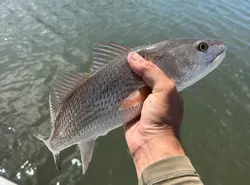
Redfish are one of the most popular inshore game fish on Florida's Nature Coast, and Crystal River is known for producing quality catches throughout the year. Although redfish never completely leave the area, their feeding habits and preferred habitats change with the seasons, tides, and water temperatures. Knowing when fish become more active, where they move during different times of the year, and how to adjust your approach can greatly improve your success. This guide explores the seasonal patterns, productive locations, and practical tips that help anglers consistently find redfish in Crystal River.
How Redfish Behavior Changes with the Seasons
Redfish remain in Crystal River year-round, but they don't behave the same way every month. Seasonal water temperatures, baitfish movement, and changing weather conditions influence where they feed and how aggressively they respond to bait. Many anglers book Crystal River fishing charters throughout the year because local captains understand these seasonal changes and adjust their fishing strategy accordingly.
- Spring
- Water temperatures begin to rise.
- Redfish become more active after winter.
- Fish spread across shallow grass flats in search of bait.
- Summer
- Early mornings usually produce the best action.
- Fish often move toward deeper pockets during the hottest part of the day.
- Mangrove shorelines provide shade and feeding opportunities.
- Fall
- Larger schools become more common.
- Cooling water encourages heavier feeding.
- Sight fishing conditions often improve on calm days.
- Winter
- Redfish gather in protected backcountry waters.
- Sunny afternoons can trigger feeding activity.
- Slower presentations generally work better in cooler water.
Where to Find Redfish in Crystal River Throughout the Year
Crystal River offers a variety of habitats that hold redfish during different seasons. Understanding why fish use certain areas can help anglers spend more time fishing productive water instead of searching randomly. Whether you're new to inshore fishing in Crystal River or have years of experience, recognizing these key habitats can make every trip more efficient.
Grass Flats During Moderate Tides
Healthy grass flats provide food and shelter for shrimp, crabs, and baitfish, making them one of the first places redfish search for an easy meal. Moderate tidal movement often creates ideal feeding conditions across these shallow areas.
Oyster Bars on Moving Water
Oyster bars naturally concentrate bait and provide structure that attracts redfish throughout much of the year. Fish frequently patrol the edges of these bars, especially when tides begin moving and food is carried past them.
Mangrove Shorelines During High Water
When higher tides flood mangrove roots, redfish move into these areas to feed on crabs, shrimp, and small baitfish hiding among the vegetation. Quiet presentations are especially important in these shallow environments.
Creek Mouths and Backcountry Channels in Cooler Months
During late fall and winter, many redfish hold near creek mouths and deeper backcountry channels where water temperatures remain more stable. These locations often become reliable areas when shallow flats cool overnight.
How Tides Influence Redfish Movement
Finding redfish is often less about the date on the calendar and more about understanding the tide. Fish regularly move between feeding areas as water levels rise and fall, and learning these movements can dramatically improve your success. Monitoring Florida tides before heading onto the water allows anglers to better predict where redfish are likely to be feeding.
Incoming Tide Opens New Feeding Areas
As the tide rises, water covers grass flats, oyster bars, and mangrove shorelines that were previously too shallow. Redfish follow the incoming water to reach fresh feeding opportunities.
Outgoing Tide Concentrates Fish
Falling water pushes shrimp, baitfish, and crabs out of flooded areas. Redfish commonly position themselves near creek mouths, drains, and channels where food is naturally carried toward them.
Choosing the Right Time to Fish the Tide
Rather than focusing only on high or low tide, many experienced anglers plan their trips around periods when the water is actively moving. Consistent tidal movement usually creates better feeding conditions than completely slack water.
Choosing the Right Baits and Lures for Seasonal Conditions
The best bait often depends on water temperature, available forage, and how actively redfish are feeding. Understanding common Florida fish species helps you match your bait to what redfish are naturally feeding on.
- Live shrimp – Reliable throughout the year, especially around oyster bars and grass flats.
- Pinfish – A great option for targeting larger redfish during warmer months.
- Gold spoon – Covers shallow water efficiently and creates flash that attracts feeding fish.
- Soft plastic paddletails – Excellent for imitating baitfish in both clear and stained water.
- Topwater plugs – Most productive during calm mornings and evenings.
- Cut mullet – Effective when fishing deeper holes or areas with stronger current.
Expert Tips That Improve Redfish Success
Small adjustments often produce better results than constantly changing locations. Experienced anglers focus on reading conditions before making their first cast.
Read the water before fishing
- Watch for baitfish movement.
- Look for wakes or tailing redfish.
- Pay attention to bird activity.
Fish with the tide
- Position yourself where moving water carries bait.
- Target creek mouths during falling tides.
- Explore newly flooded areas on incoming tides.
Stay quiet
- Keep noise to a minimum.
- Avoid sudden movements in shallow water.
- Make controlled casts instead of repeatedly casting over the same area.
Adjust your retrieve
- Faster retrieves generally work better in warm water.
- Slow presentations often produce more bites during winter.
Mistakes That Often Cost Anglers More FishMistakes That Often Cost Anglers More Fish
Even productive areas won't consistently produce fish if common mistakes are repeated. Before heading out, make sure you also have a valid Florida fishing license and review local regulations.
Fishing only one spot
Redfish move throughout the day. If an area shows little activity, changing locations can be more productive than waiting.
Ignoring changing tides
Water movement influences where redfish feed. Planning around tide changes often produces better results than simply fishing whenever convenient.
Being too noisy
Shallow-water redfish can be easily disturbed by loud footsteps, dropped equipment, or careless boat positioning.
Using the same presentation year-round
Seasonal conditions affect fish behavior. Matching your lure, retrieve speed, and fishing depth to current conditions usually leads to more consistent success.
Why Local Knowledge Gives Anglers an Advantage
Redfish may stay in Crystal River throughout the year, but that doesn't mean they're always in the same locations. Daily changes in tide levels, water clarity, wind direction, and bait movement can quickly shift where fish are feeding. Anglers who understand these patterns spend less time searching and more time fishing productive water.
Local experience also helps when conditions don't go as planned. After heavy rain, strong winds, or changing temperatures, redfish often relocate to areas with more favorable conditions. Knowing how these environmental changes affect fish movement allows anglers to adjust their approach instead of relying on the same routine every trip.
Fish for Redfish with Top's Charters
Targeting redfish is about more than simply casting into shallow water. Success comes from understanding seasonal behavior, recognizing productive habitats, and adapting to changing conditions throughout the day. Top's Charters uses local knowledge of Crystal River's grass flats, oyster bars, mangrove shorelines, and backcountry waters to help anglers spend more time fishing where redfish are actively feeding.
Whether you're chasing your first redfish or hoping to land a trophy-sized catch, every trip is planned around current conditions and your fishing goals. With an experienced local captain at the helm, you can focus on enjoying the day while exploring some of the best redfish habitat on Florida's Nature Coast.
Conclusion
Redfish remain one of the most dependable and exciting inshore species to target in Crystal River. Learning how their seasonal patterns change, identifying the habitats they prefer throughout the year, and adjusting your approach to tides and water conditions can greatly improve your chances of success. From shallow grass flats in spring to protected backcountry waters during winter, every season offers unique opportunities to connect with these hard-fighting fish. Ready to experience redfish fishing in Crystal River for yourself? Book your next trip with Top's Charters and let a local guide help you make the most of your time on Florida's Nature Coast.
Frequently Asked Questions
1. When is the best season to target redfish in Crystal River?
Redfish are available throughout the year, but many anglers enjoy spring and fall because fish are actively feeding and water temperatures are comfortable.
2. Where are redfish most commonly found in Crystal River?
They are often found around grass flats, oyster bars, mangrove shorelines, creek mouths, and shallow backcountry waters.
3. Does the tide affect redfish fishing?
Yes. Moving water usually encourages feeding activity, making incoming and outgoing tides more productive than slack water.
4. What natural bait works well for redfish?
Live shrimp, pinfish, and fresh cut mullet are among the most reliable natural baits used by anglers.
5. Are artificial lures effective for catching redfish?
Yes. Gold spoons, soft plastic paddletails, and topwater plugs are all proven choices depending on water conditions and the season.
6. Do redfish stay in shallow water all year?
No. While they often feed on shallow flats, they may move into deeper channels or protected backcountry areas during colder weather or changing tides.
7. What weather conditions are best for redfish fishing?
Stable weather, moderate winds, and moving tides generally create favorable conditions, although redfish can be caught in a variety of environments.
8. Can beginners catch redfish in Crystal River?
Yes. Redfish are an excellent target for anglers of all experience levels, especially when fishing with an experienced local guide.
9. Is a Florida fishing license required to catch redfish?
In most cases, recreational anglers need a valid Florida fishing license unless covered under a licensed charter's regulations or another exemption.
10. Why should I choose a guided redfish charter instead of fishing alone?
A local guide understands seasonal fish movement, productive locations, and daily water conditions, helping you spend more time targeting active redfish and less time searching for them.