%2Ffit-in%2F250x250%2Fguide_websites%2F31720%2Fimages%2F1784514287958topschartersbusinesscard1.jpg&w=1920&q=100)
The Ultimate Guide to Spanish Mackerel Fishing in Crystal River: Best Seasons, Techniques & Hotspots
%2Ffit-in%2F1000x1000%2Ffilters%3Aformat(webp)%2Fguide_websites%2F31720%2Fimages%2F1784584996525491041233_122101599902837266_2663128188269532683_n.jpg&w=1920&q=75)
Published: August 10, 2026
Crystal River is well known for its shallow flats, tidal creeks, and productive Gulf waters, but it also offers excellent opportunities to target Spanish mackerel during their seasonal migration. These fast-swimming fish travel in large schools, creating exciting action for anglers who arrive at the right time. Water temperature, baitfish activity, and tidal movement all influence where they gather. Understanding these seasonal patterns helps anglers enjoy more productive days on the water while making the most of everything Crystal River has to offer.
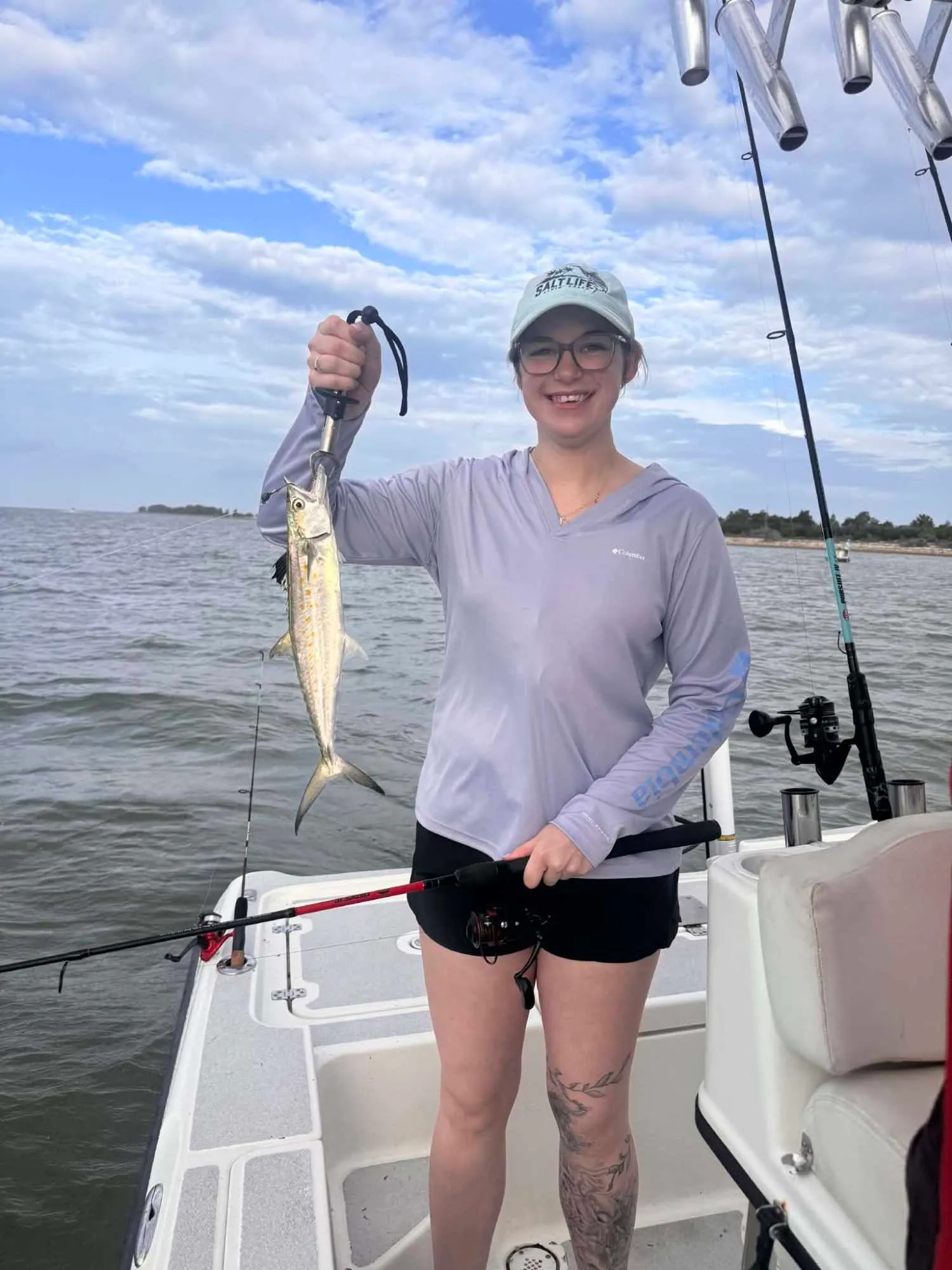
When Is the Best Time for Spanish Mackerel Fishing in Crystal River?
Spanish mackerel don't remain in Crystal River year-round. Their arrival follows seasonal migrations along Florida's Gulf Coast, making timing one of the biggest factors in planning a successful trip for Spanish Mackerel Fishing in Crystal River.
Early Spring
As Gulf waters begin warming, the first schools move into the area. Fish become increasingly active as baitfish populations grow, creating steady opportunities throughout the season.
Late Spring
Late spring is often considered one of the most productive periods. Large schools are commonly found feeding around grass flats, channels, and nearshore Gulf waters.
Summer
Spanish mackerel continue providing consistent action during summer. Early mornings usually offer comfortable conditions, while moving tides often trigger feeding activity.
Early Fall
Fishing remains productive until cooling water temperatures encourage schools to begin their southward migration. This transition period can still provide excellent opportunities before fish leave the area.
The Most Productive Hotspots Around Crystal River
Spanish mackerel rarely stay in one place for long, but certain parts of Crystal River consistently attract feeding schools during the migration season. These locations combine food, moving water, and easy travel routes for active fish.
1. Nearshore Gulf Flats
Shallow Gulf flats often hold large numbers of baitfish, making them one of the first places anglers search when looking for active Spanish mackerel.
2. Channel Drop-offs
Where shallow flats meet deeper channels, changing water depth creates natural travel corridors that fish frequently use while feeding.
3. Oyster Bar Edges
Current flowing around oyster bars concentrates baitfish, attracting Spanish mackerel looking for quick feeding opportunities.
4. Creek and River Mouths
The meeting point of freshwater and saltwater creates productive feeding areas, especially when tides carry bait through these natural funnels.
5. Open-Water Feeding Activity
When birds begin diving and baitfish scatter across the surface, schools of Spanish mackerel are often feeding below. Many anglers choose local Crystal River fishing charters because experienced captains know how to locate and follow this fast-moving activity.
How Spanish Mackerel Behave Throughout the Day
Fish activity changes as light levels, tides, and water movement shift throughout the day. Understanding these daily patterns can help anglers decide when to stay in an area and when it's worth looking elsewhere.
- Sunrise: Cooler temperatures and active baitfish often encourage aggressive feeding shortly after daylight.
- Mid-Morning: As sunlight increases, schools may continue feeding while moving farther across open water in search of bait.
- Afternoon: Fish remain catchable, although changing tides and warmer conditions may influence where they gather.
- Evening: The final hours of daylight can produce another burst of feeding activity before schools settle into overnight patterns.
Fishing Techniques That Consistently Produce Results
Spanish mackerel are quick, aggressive feeders that often chase fast-moving bait near the surface. Adjusting your approach to match their speed and feeding behavior can make a noticeable difference during periods of active fishing.
Casting Artificial Lures
Metal spoons, casting jigs, and other baitfish-imitating lures work well when fish are feeding near the surface. Covering water with steady casts helps locate moving schools more efficiently.
Trolling Open Water
When fish are scattered across a larger area, trolling allows anglers to search productive water while following baitfish movement. This method is especially useful when surface activity is limited.
Fishing with Live Bait
Live bait can be an effective choice when Spanish mackerel become selective. Presenting bait naturally around schools often encourages strikes from fish that ignore faster presentations.
Adjusting Your Retrieve Speed
Spanish mackerel rarely chase slow-moving prey for long. Varying your retrieve until you match the fish's feeding mood often produces better results than using the same pace throughout the day.
How to Read the Water Before Fish Start Feeding
Experienced anglers spend as much time observing the water as they do casting. Small changes on the surface often reveal where fish are gathering long before the action begins.
- Birds Working the Surface: Diving seabirds usually signal baitfish being pushed upward by feeding predators.
- Nervous Baitfish: Tight schools that suddenly change direction or scatter are often reacting to nearby game fish.
- Current Lines: Areas where two currents meet frequently collect baitfish, creating productive feeding zones.
- Water Color Changes: Clear water meeting slightly darker water can attract bait and several popular Florida fish species that use these transition areas throughout the year.
- Surface Disturbance: Splashes, ripples, or flashes of bait breaking the surface often indicate Spanish mackerel feeding below.
Simple Preparations That Can Improve Your Trip
A little planning before leaving the dock helps you spend more time fishing and less time dealing with avoidable interruptions. If you're booking a guided trip, comparing fishing charter rates alongside trip length, group size, and seasonal availability can help you choose an option that fits your plans.
- Check the marine weather forecast before departure.
- Review local tide charts for the day.
- Pack drinking water and light snacks.
- Bring polarized sunglasses to reduce glare.
- Keep sunscreen and protective clothing on board.
- Confirm that all safety equipment is ready before leaving the dock.
Why Spanish Mackerel Remain a Favorite Catch Along Florida's Nature Coast
Spanish mackerel offer an exciting combination of speed, powerful runs, and steady action that appeals to anglers of all experience levels. Because they often travel in schools, a productive day can include multiple catches within a short period when fish are actively feeding. Their willingness to chase bait also makes every strike exciting, whether you're introducing someone to saltwater fishing or returning for another seasonal trip.
Another reason anglers return each year is the setting itself. Crystal River's clear coastal waters, scenic shoreline, and easy access to productive fishing grounds create an enjoyable experience beyond the catch. The seasonal arrival of Spanish mackerel gives anglers something to look forward to every year along Florida's Gulf Coast.
Experience Spanish Mackerel Fishing with Top's Charters
Spending a day on the water becomes more rewarding when you understand how seasonal fish movement, tides, and local conditions work together. Finding actively feeding Spanish mackerel often depends on knowing where baitfish gather and how changing water conditions influence their movement throughout the day.
Top's Charters provides guided trips that help anglers make the most of Crystal River's seasonal Spanish mackerel fishery. Whether you're planning your first coastal fishing adventure or returning to target these fast-moving fish again, you'll benefit from local knowledge, practical experience, and a trip built around making your time on the water enjoyable and productive.
Conclusion
Spanish mackerel fishing in Crystal River offers an exciting blend of seasonal action, beautiful coastal scenery, and opportunities for anglers of every skill level. Planning your trip during peak migration, understanding how tides influence fish movement, and recognizing productive feeding areas can greatly improve your time on the water. Every season brings slightly different conditions, making each trip a new experience and another opportunity to learn more about this popular Gulf Coast fishery. When you're ready to enjoy a memorable day on the water, book your next adventure with Top's Charters and experience why so many anglers return to Crystal River each year.
Frequently Asked Questions
1. What is the best season for Spanish mackerel fishing in Crystal River?
Spring through early fall generally offers the most consistent fishing as migrating schools move through the area's coastal waters.
2. How close to shore can Spanish mackerel be found?
They are often caught around nearshore flats, channels, and open-water feeding areas close to Crystal River during their seasonal migration.
3. Why do Spanish mackerel travel in schools?
Schooling provides protection and allows fish to efficiently hunt groups of baitfish moving through coastal waters.
4. Do tides affect Spanish mackerel fishing?
Yes. Tidal movement influences baitfish activity, which often determines where Spanish mackerel feed during the day.
5. Can beginners successfully catch Spanish mackerel?
Yes. Their aggressive feeding behavior makes them an enjoyable target for both new and experienced saltwater anglers.
6. Why are birds important when searching for Spanish mackerel?
Diving birds frequently indicate baitfish near the surface, which often means feeding Spanish mackerel are close by.
7. Is a Florida fishing license required for this trip?
Most anglers need a valid Florida fishing license unless covered by an applicable exemption or a licensed charter. Always check current state regulations before your trip.
8. Do weather conditions influence Spanish mackerel activity?
Yes. Wind, water clarity, and changing weather patterns can affect baitfish movement and where Spanish mackerel choose to feed.
9. Are Spanish mackerel available throughout the entire year?
They are primarily seasonal visitors to Crystal River, with the most reliable fishing occurring during their annual migration.
10. Why do many anglers book guided trips for Spanish mackerel?
Local guides understand seasonal fish movement, productive waters, and changing conditions, helping anglers make better use of their time on the water.