%2Ffit-in%2F250x250%2Fguide_websites%2F31720%2Fimages%2F1784514287958topschartersbusinesscard1.jpg&w=1920&q=100)
When Is the Best Time to Catch Spotted Seatrout in Crystal River? A Seasonal Fishing Guide
%2Ffit-in%2F1000x1000%2Ffilters%3Aformat(webp)%2Fguide_websites%2F31720%2Fimages%2F1784584996525491041233_122101599902837266_2663128188269532683_n.jpg&w=1920&q=75)
Published: August 10, 2026
Spotted seatrout are one of the most sought-after inshore fish along Florida's Nature Coast, and Crystal River provides excellent opportunities to target them throughout the year. While they're present in every season, their feeding patterns, preferred habitats, and daily activity change as water temperatures and tides shift. Knowing when these changes occur can make planning a trip much easier. By understanding seasonal fish behavior, anglers can spend more time in productive water and enjoy a better overall fishing experience.
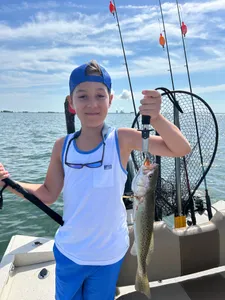
Understanding the Seasonal Cycle of Spotted Seatrout in Crystal River
Spotted seatrout respond to seasonal changes more than many anglers realize. Water temperature, bait availability, and tidal movement all influence where they feed and how active they become. Learning these seasonal patterns helps anglers plan the right time for spotted seatrout fishing in Crystal River instead of relying on chance.
Spring
As winter conditions fade, warming water encourages spotted seatrout to move back onto shallow grass flats where baitfish become increasingly active. Fish begin feeding more consistently, making spring one of the most dependable seasons for anglers looking for steady action.
Summer
Longer days and warmer water change the daily routine of spotted seatrout. They often feed during the cooler parts of the day before moving toward slightly deeper water as temperatures rise. Healthy seagrass beds continue providing shelter and abundant food throughout the season.
Fall
Fall combines comfortable water temperatures with plentiful baitfish, creating another productive period. Many trout feed aggressively before cooler weather arrives, giving anglers consistent opportunities across Crystal River's inshore waters.
Winter
Although colder weather slows fish activity, spotted seatrout remain available throughout winter. During stable weather, they often gather in protected areas where water temperatures remain more consistent, allowing patient anglers to continue finding success.
How Seasonal Habitats Change Throughout the Year
The areas that hold spotted seatrout in spring aren't always the same places that produce fish in summer or winter. As environmental conditions change, trout shift between different habitats to stay close to food and comfortable water. Anglers fishing with experienced Crystal River fishing charters often notice these seasonal adjustments throughout the year.
Shallow Grass Flats
These expansive areas remain some of the most productive habitats for spotted seatrout.
- Excellent feeding grounds for baitfish
- Most active during mild water temperatures
- Large areas for trout to hunt naturally
Oyster Bars
Oyster bars create structure that attracts both bait and game fish.
- Steady tidal movement
- Natural feeding opportunities
- Nearby deeper escape routes
Creek Mouths
These transition areas become especially important as tides move water through the system.
- Concentrated baitfish activity
- Mixing of fresh and salt water
- Seasonal travel routes for trout
Channel Edges
Deeper channels provide an important change in habitat during different times of the year.
- Cooler water during warmer months
- Quick access between shallow and deep areas
- Reliable holding water during changing conditions
Seasonal Fishing Techniques for Better Results
Spotted seatrout adjust their feeding habits as conditions change throughout the year. Matching your approach to the season helps you fish more effectively instead of relying on the same presentation every time you head onto the water.
Spring
As baitfish become more active, spotted seatrout often respond well to presentations that imitate their natural prey.
Popular choices include:
- Soft plastic paddle tails
- Suspending twitch baits
- Live shrimp
- Slow to medium retrieves
Summer
Warmer water encourages anglers to take advantage of the cooler hours of the day when trout are feeding more actively.
Many anglers prefer:
- Topwater plugs during sunrise
- Live pinfish
- Free-lined live bait
- Steady retrieves across grass flats
Fall
Abundant forage makes fall an excellent time to cover water and locate feeding fish.
Effective options are:
- Jerkbaits
- Soft jerk shads
- Shrimp under popping corks
- Medium-speed retrieves
Winter
Cooler conditions often call for a slower presentation around deeper water.
Common approaches include:
- Soft plastics worked slowly
- Live shrimp near deeper pockets
- Fishing along channel edges
- Longer pauses between retrieves
What Natural Conditions Tell You About Seatrout Activity
The water often provides clues about where spotted seatrout are likely to feed before a fish is ever hooked. Learning to recognize these signs can help anglers make better decisions throughout the day while also gaining a better understanding of other Florida fish species that share the same habitat.
- Moving Water
- Incoming tides
- Outgoing tides
- Moderate current flow
- Bait Activity
- Schools of mullet
- Shrimp movement
- Glass minnows near the surface
- Weather Conditions
- Stable temperatures
- Passing cold fronts
- Wind direction
- Water Quality
- Clear water
- Comfortable temperatures
- Healthy seagrass growth
Small Adjustments That Can Make a Big Difference During Every Season
Success often comes from making small changes rather than completely changing your fishing plans. Paying attention to seasonal conditions and remaining flexible allows anglers to make the most of every trip, regardless of the time of year.
Instead of following the same schedule on every outing, adjust your fishing hours to match seasonal fish activity. During warmer months, early mornings and evenings are often more comfortable, while cooler seasons may provide longer periods of consistent action.
If you're planning a guided trip, comparing fishing charter rates is only one part of the decision. Choosing a captain with local knowledge of seasonal trout movement, tides, and habitat can provide a more enjoyable experience and help you spend more time fishing productive water.
Why Spotted Seatrout Are a Year-Round Favorite in Crystal River
Every season offers a different experience when targeting spotted seatrout, which is one of the reasons anglers continue returning to Crystal River throughout the year. Spring and fall often bring steady action, summer rewards those who fish during cooler parts of the day, and winter offers a quieter experience for anglers willing to adjust to changing conditions. Rather than having a single "perfect" season, the fishery provides opportunities that change with nature.
The variety of habitats also adds to the appeal. Grass flats, oyster bars, creek mouths, and channel edges all play a role during different times of the year, making every trip a chance to learn something new about the fish and the surrounding environment.
Fish Crystal River with Top's Charters Throughout the Seasons
Fishing for spotted seatrout is more enjoyable when you understand how seasonal conditions influence fish movement. Local knowledge of tides, water temperature, and productive habitats helps anglers spend more time in areas where fish are actively feeding instead of searching unfamiliar water.
Whether you're visiting Crystal River for the first time or returning for another inshore adventure, Top's Charters offers guided trips tailored to the season and current conditions. With an experienced captain leading the way, you can enjoy a relaxed day on the water while exploring some of the area's most productive spotted seatrout habitat.
Conclusion
Spotted seatrout can be caught in Crystal River during every season, but understanding how water temperature, tides, and habitat change throughout the year helps anglers make the most of each trip. Spring, summer, fall, and winter all offer unique opportunities, making timing an important part of a successful fishing experience. By planning around seasonal conditions and staying flexible on the water, anglers can enjoy consistent action and memorable days along Florida's Nature Coast. Before heading out, make sure you have a valid Florida fishing license, and when you're ready for a professionally guided experience, plan your next trip with Top's Charters.
Frequently Asked Questions
1. What is the best season to catch spotted seatrout in Crystal River?
Spring and fall are generally considered the most consistent seasons because comfortable water temperatures encourage active feeding.
2. Are spotted seatrout available throughout the year?
Yes. Spotted seatrout remain in Crystal River year-round, although their behavior and preferred habitats change with the seasons.
3. Why do spotted seatrout move to different habitats?
They adjust their location in response to water temperature, bait availability, tides, and changing weather conditions.
4. Are grass flats important for spotted seatrout?
Yes. Healthy grass flats provide food, shelter, and ideal feeding areas during much of the year.
5. Does water temperature affect spotted seatrout activity?
Yes. Seasonal temperature changes influence feeding behavior and where fish spend their time.
6. Can beginners catch spotted seatrout?
Absolutely. Spotted seatrout are a popular target for anglers of all skill levels because they provide consistent action during much of the year.
7. How do tides influence spotted seatrout fishing?
Moving tides carry baitfish through productive habitats, encouraging spotted seatrout to feed more actively.
8. What weather conditions usually produce better fishing?
Stable weather often creates more predictable fish activity, while sudden cold fronts may temporarily slow feeding.
9. Is a Florida fishing license required?
Most anglers need a valid Florida fishing license unless fishing under a qualifying exemption or aboard a licensed charter. Always review current state regulations before your trip.
10. Why is Crystal River popular for spotted seatrout fishing?
Crystal River offers productive grass flats, healthy inshore habitat, and year-round opportunities to target one of Florida's most popular coastal game fish.