%2Ffit-in%2F250x250%2Fguide_websites%2F31720%2Fimages%2F1784514287958topschartersbusinesscard1.jpg&w=1920&q=100)
Catch Crevalle Jack & Sheepshead in Crystal River FL
Crevalle Jack & Sheepshead Fishing in Crystal River - What to Expect
%2F%2Fusers%2F8dfd6847-ee3f-4123-8879-c0a9d570502f%2Fimages%2Fcrystal-river-jack-sheepshead-fishing-2848.jpg&w=1920&q=75)
Fishing Charter by Captain Richard Delgado in April

- Crystal River Fishing Charters


Summary
Join a fishing charter in Crystal River on Monday, April 20 for an unforgettable day targeting crevalle jack and sheepshead. Captain Richard Delgado of Tops Charters knows these waters inside and out, delivering the kind of hands-on fishing experience where the action stays consistent and the catches keep coming.
Fishing Charter with Captain Richard Delgado - Rates & Booking
Captain Richard Delgado of Tops Charters brings years of local knowledge to every fishing charter in Crystal River on Monday, April 20. Whether you're after your first saltwater catch or looking to land some serious fighting fish, this is the kind of trip that delivers real results. To book your spot and get current rates, reach out to Tops Charters directly - they'll walk you through everything and get you set up for a day on the water.
Highlights of Your Fishing Experience
The waters around Crystal River are packed with crevalle jack and sheepshead, two species that keep anglers coming back. Crevalle jack are aggressive fighters that'll test your skills and your gear, while sheepshead are clever and fun to target with the right technique. The combination of both species in one area makes for a diverse and engaging day.
What makes this particular area special is the blend of shallow flats, deeper channels, and structure that holds fish year-round. Crystal River's calm, protected waters mean you'll spend more time fishing and less time battling waves. It's the kind of place where even first-timers can land fish, and experienced anglers find plenty of challenge.
Local Species Insights: Crevalle Jack & Sheepshead
Crevalle jack are built for speed and aggression. These fish cruise the flats and channels of Crystal River hunting smaller baitfish, and they don't hesitate to strike a lure or live bait presentation. You'll feel their power the second they grab - they run hard, dive deep, and make you earn every inch. They're typically found in schools, so when you hook one, there's usually more in the area. The fight is what people remember most about crevalle jack - these aren't subtle or delicate fish.
Sheepshead are a different challenge altogether. These fish have a reputation for being smart and selective. They'll follow your bait, investigate it carefully, and only commit if everything looks right. Their strong jaws and crushing bite demand sharp hooks and good technique, but landing a solid sheepshead feels like outsmarting an opponent. They tend to hang around structure - docks, pilings, oyster bars - where they root around for crustaceans and small prey.
In Crystal River, both species share the same general habitat but require slightly different approaches. Crevalle jack respond to fast-moving presentations and topwater action, while sheepshead reward patience and finesse. On a good day, you'll get chances at both, which keeps things interesting and lets you experience different styles of fishing.
The water clarity in Crystal River ranges from clear to moderately stained depending on conditions, which affects how these fish feed. Crevalle jack stay active even in slightly murky water because they hunt by feel and lateral line sensing. Sheepshead rely heavily on sight and smell, so they can be picky in off-color conditions but aggressive when the water clears up.
Plan Your Fishing Day
A typical charter runs at a pace that matches the fishing conditions and your experience level. Captain Richard will handle navigation, tackle setup, and technique coaching so you can focus on fishing. The shallow-draft capability of most Crystal River charter boats means you can access flats and tight spaces where bigger boats can't go - that's where the best fishing often happens.
Bring sunscreen, a hat, and water to stay comfortable on the boat. Most charters provide a cooler and all the rods and tackle you need. If you have specific gear preferences or techniques you want to focus on, mention that when booking - Captain Richard can tailor the day to match what you're looking for.
Fishing in Crystal River: Pacific Crevalle Jack, Crevalle Jack and Sheepshead

Pacific Crevalle Jack Overview
The Pacific Crevalle Jack (Caranx caninus) is a powerful saltwater predator belonging to the family Carangidae and the order Perciformes. This remarkable fish is closely related to pompanos, jack mackerels, runners, and scads, and has earned a solid reputation among both commercial and recreational anglers throughout the Pacific Ocean. What makes this species particularly special is its sleek, silvery body with distinctive yellowish fins and a telltale black spot on its gill cover—features that make it instantly recognizable once you've seen one. These fast swimmers are known to produce actual croaking sounds by grinding their teeth together while expelling gas from their air bladder, a behavior that adds to their mystique. Found primarily in the eastern Pacific waters from California down to Peru, the Pacific Crevalle Jack remains one of the most sought-after and abundant game fish in offshore environments.
These jacks are not just important to the fishing community; they're integral to the marine ecosystem and have become a fascinating subject for anyone interested in saltwater fishing or marine biology. Their abundance and willingness to strike make them accessible to anglers of varying skill levels, while their powerful fighting ability ensures an unforgettable experience on the water.
Pacific Crevalle Jack Habitat and Distribution
The Pacific Crevalle Jack is fundamentally a pelagic fish, meaning it thrives in the open waters of the ocean. These fish typically remain near the surface and are often found at depths reaching up to 1,100 feet, though younger individuals tend to venture closer to coastal areas. Juveniles frequently inhabit shallow flats, sandy bays, beaches, seagrass beds, and shallow reefs with depths between ten and three hundred feet as they develop. As they mature, they congregate into schools and move into deeper offshore waters.
Geographically, this species is distributed throughout the eastern Pacific Ocean, with its range extending from California southward through the Gulf of California and down to Peru. The waters off Colombia and Mexico represent particularly productive zones. You'll find them schooling in large numbers near offshore wrecks and reefs, where they hunt cooperatively for food. The presence of "boiling" water on the surface—a telltale sign of frenzied feeding activity—often indicates a school of hungry Pacific Crevalle Jacks is in the area, making visual location relatively straightforward for experienced anglers.
Pacific Crevalle Jack Size and Weight
Pacific Crevalle Jacks are impressive fish that can vary considerably in size depending on age and feeding conditions. The minimum typical size encountered is around 12 inches, though most catches fall between 12 to 40 inches in length. In terms of weight, you can expect fish ranging from approximately 10 pounds on the smaller end to a maximum recorded weight of around 43 pounds, though the average catch typically weighs between 15 to 30 pounds. The largest specimens on record have reached three feet and four inches in length and weighed nearly forty-four pounds—truly spectacular examples of this species. Their robust, muscular build contributes to their exceptional strength and fighting ability, which is why anglers often describe them as "rod-benders."
Pacific Crevalle Jack Diet and Behavior
The Pacific Crevalle Jack is a voracious and opportunistic predator that hunts relentlessly throughout the day. Their diet consists primarily of smaller fishes such as mullet, herring, and sardines, but they're equally enthusiastic about consuming various invertebrates including prawns, shrimps, crabs, and mollusks. This diverse appetite makes them exceptionally responsive to both live and artificial baits.
Behaviorally, these fish are highly social and rarely travel alone. They form tight schools that work together to corral and attack baitfish, creating the distinctive "boiling" water phenomenon anglers use to locate them. Their aggressive feeding behavior and strong swimming ability make them formidable predators in their environment. They're fast swimmers capable of explosive bursts of speed, allowing them to ambush prey with remarkable efficiency. In terms of lifespan, the average Pacific Crevalle Jack lives 12 to 15 years in the wild, though some documented individuals have survived as long as 37 years.
Pacific Crevalle Jack Spawning and Seasonal Activity
The Pacific Crevalle Jack is known for extended reproduction throughout most of the year, with distinct seasonal peaks in January, February, May, August, and November in Colombian and Mexican waters. During spawning, eggs and larvae remain in the pelagic zone, drifting with ocean currents. As juveniles develop, they migrate to estuaries and seagrass beds where they find shelter and abundant food sources. Once reaching adulthood, they transition to open water and begin the schooling behavior characteristic of mature populations.
From an angler's perspective, this extended spawning season means that Pacific Crevalle Jacks remain relatively catchable year-round. However, understanding these seasonal patterns can help you time your fishing trips for maximum success. Migration and movement patterns also mean that certain areas may have better populations during specific months, so local knowledge and speaking with guides familiar with your target location will significantly improve your odds.
Pacific Crevalle Jack Techniques for Observation and Capture
Offshore Casting Method: The primary approach for catching Pacific Crevalle Jacks involves locating schooling fish near offshore wrecks and reefs. Look for visual signs like surface disturbance or diving birds, which often indicate feeding activity. Use a conventional spinning rod rated for heavy action paired with 20 to 40-pound monofilament line—at least 200 yards is recommended. Cast artificial lures such as topwater plugs, spoons, and bucktail jigs into the disturbance. The aggressive strikes are immediate and thrilling. Work your lure with steady, rapid retrieves to simulate injured baitfish. Around popular offshore fishing destinations from California to Peru, charter boats often know the exact coordinates of productive structures where schools congregate.
Live Bait Technique: Live bait enthusiasts should use mullet, herring, or sardines presented on appropriate circle hooks. A 6 to 8-foot leader of 30-pound fluorocarbon or monofilament works well to prevent the jack's sharp teeth from cutting through. Drift or anchor near reefs and submerged structures, allowing the bait to swim naturally. The Pacific Crevalle Jack will typically strike hard and fast, so set the hook firmly. This method is particularly effective during peak spawning months.
Fly Fishing Approach: For the more adventurous angler, fly fishing for Pacific Crevalle Jacks offers an exhilarating experience. Use an 8 to 10-weight fly rod with at least 200 yards of backing, as these fish will test your equipment severely. Large saltwater streamer patterns in white, yellow, or chartreuse work well. Cast to schooling fish and use aggressive stripping patterns. Expect explosive takes and powerful runs. This method requires more skill but delivers an unmatched adrenaline rush.
Pacific Crevalle Jack Culinary and Utilization Notes
The Pacific Crevalle Jack has earned a place on dining tables throughout the Pacific region, though opinions on its culinary merit are mixed. The meat texture is often compared to tuna—firm, moderately dense, and suitable for various cooking methods. The flavor is described as average to good, though it can be somewhat strong or "fishy" if not handled properly immediately after capture. The key to improving palatability is bleeding and icing the fish immediately following capture, which significantly enhances its flavor profile and extends shelf life.
In markets, fresh, frozen, smoked, salted, and dried Pacific Crevalle Jacks are all commonly available throughout Latin American and Pacific regions. Beyond culinary applications, this species is utilized for producing fishmeal and oil, making it economically important to various fishing communities. While not considered a premium food fish, it represents a sustainable protein source when harvested responsibly. Many anglers practice catch-and-release with this species, particularly if the fishing is excellent, allowing populations to remain robust.
Pacific Crevalle Jack Frequently Asked Questions
Q: What is the best bait or lure for catching Pacific Crevalle Jacks?
A: Live baitfish such as mullet, herring, and sardines consistently produce excellent results. If you prefer artificial options, topwater plugs create surface commotion that triggers aggressive strikes, while spoons and bucktail jigs mimic fleeing prey effectively. The key is using substantial baits and lures that match the natural prey size.
Q: Where can I find Pacific Crevalle Jacks in prime fishing locations?
A: These fish congregate around offshore wrecks, reefs, and rocky structures throughout the eastern Pacific. Look for surface disturbance or "boiling" water indicating active feeding schools. Around California and Mexico, charter captains maintain detailed maps of productive locations. Focus your efforts during periods of high tidal movement when baitfish are most active.
Q: What equipment do I need to successfully catch a Pacific Crevalle Jack?
A: You'll need a heavy-action rod capable of withstanding intense pressure, paired with a quality reel holding at least 200 yards of 20 to 40-pound monofilament line. A sturdy landing net and protective gloves are essential, as these fish possess sharp spines, razor-sharp teeth, and incredibly strong jaws. Consider using circle hooks for safety and ethical catch-and-release practices.
Q: When is the best time to catch Pacific Crevalle Jacks?
A: While these fish can be caught year-round, they're particularly active during spawning peaks in January, February, May, August, and November. However, schooling activity occurs throughout the year in offshore environments. Early morning and late afternoon periods generally produce better results, and weather conditions that create rougher seas often increase feeding activity.
Q: Are Pacific Crevalle Jacks good to eat?
A: Yes, though their reputation is mixed—they're classified as average eating quality. The key to improving flavor significantly is to bleed and ice the fish immediately after capture. The meat is firm and suitable for grilling, baking, or smoking. Many regions offer smoked or salted varieties in markets, which many locals prefer to fresh preparations.
Q: How long do Pacific Crevalle Jacks typically live?
A: The average lifespan in the wild is 12 to 15 years, though some individuals have been documented living as long as 37 years. Their longevity and relatively slow reproductive rate mean they're somewhat vulnerable to overfishing, making responsible harvest practices important for sustainability.
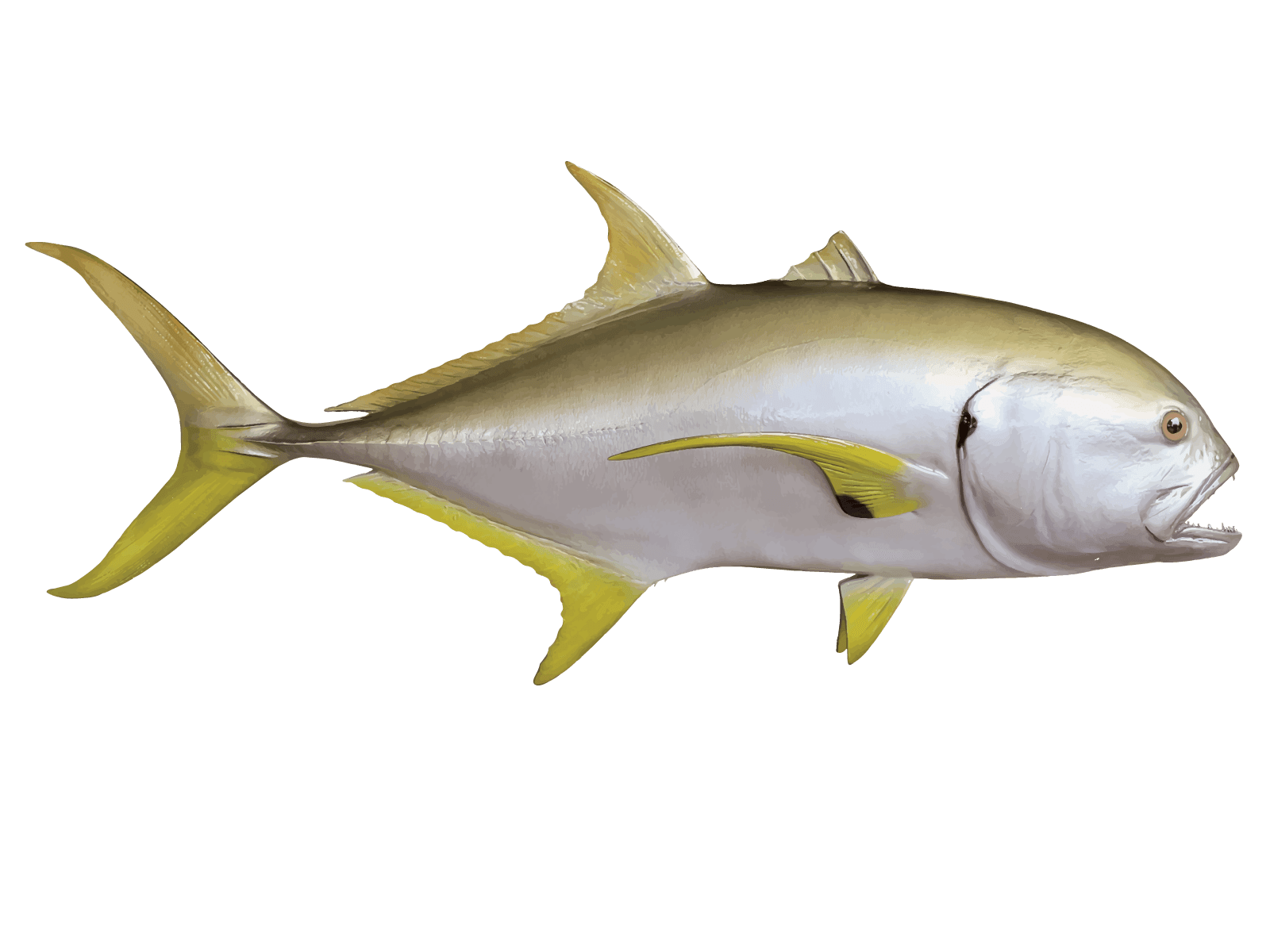
Crevalle Jack Overview
The Crevalle Jack (Caranx Hippos) is a magnificent and powerful member of the Carangidae family within the Perciformes order. These fish are instantly recognizable by their brassy green to blue backs, shimmering golden sides, white bellies, and vibrant yellow or gold coloring on their tails and fins. Often spotted in Florida's shallow waters and throughout the Gulf of Mexico, the Crevalle Jack has earned a legendary reputation among anglers as one of the most exciting game fish in North America. What makes them truly special is their aggressive, bullish nature combined with an unexpected friendliness—schools of Crevalle Jack have been known to approach and swirl around curious divers, possibly drawn by bubbles or simple curiosity. They're not just a favorite for sport fishing; they're also commercially important and a fascinating subject for anyone interested in marine ecosystems and coastal fishing culture.
Crevalle Jack Habitat and Distribution
Crevalle Jack thrive in the warmer waters of the Atlantic Ocean, with their range extending from the eastern coastal waters of the United States all the way to the eastern coast of South America, as far south as Argentina. The Caribbean Sea and Central American coasts also support healthy populations. Within this broad geographic range, Florida—especially the Keys—Texas, and the Gulf of Mexico are absolute hotbeds for encountering these fish. These adaptable creatures occupy remarkably diverse habitats, from shallow seagrass beds, sand-bottomed bays, and reef structures to deeper offshore waters exceeding 1,100 feet in depth. They're equally comfortable in brackish waters and freshwater tributaries, though these occurrences are rare. A particularly interesting behavior is their attraction to man-made structures like oil rigs and floating vegetation mats, which they use as hunting platforms. Juvenile fish prefer shallower environments, while larger adults venture into deeper territories, allowing anglers to find them across multiple water column depths throughout the year.
Crevalle Jack Size and Weight
While Crevalle Jack can reach impressive proportions—up to 4 feet in length and weighing 60 pounds—the average angler encounters fish in the 15 to 24-inch range, typically weighing between 3 to 5 pounds. The current world record, a remarkable specimen caught off the coast of Angola in Africa, weighed an astounding 66 pounds and stands as a testament to the growth potential of these fish. Interestingly, female Crevalle Jack tend to grow larger than their male counterparts, so landing a trophy-sized fish may well be a female. This size variation makes fishing for Crevalle Jack exciting at any level—whether you're a beginner targeting schooling juveniles in the shallows or an experienced angler hunting trophy-class fish in offshore waters.
Crevalle Jack Diet and Behavior
Crevalle Jack are aggressive, opportunistic predators that earn their reputation as the bullies of the ocean. They feed voraciously on smaller fish, particularly mullet, sardines, and herring, and they're known for their high-speed, relentless chase patterns when hunting prey. One fascinating behavior reported by numerous anglers is the distinctive watermelon-like scent that sometimes emanates from feeding schools—a phenomenon that serves as an excellent indicator of active fish nearby. Unlike many schooling fish species, Crevalle Jack rarely jump while feeding at the surface, preferring instead to push baitfish to the top where opportunistic seabirds attack from above. This behavior creates a telltale sign for observant anglers: schools of diving and attacking birds often mark the location of feeding Crevalle Jack. These fish reach sexual maturity between 5 and 6 years of age and can live 17 years or more in the wild. They're particularly known for their curious, social nature—divers frequently report that schools approach and circle them, seemingly drawn to the bubbles or simply investigating these unusual visitors to their domain.
Crevalle Jack Spawning and Seasonal Activity
Crevalle Jack reach reproductive maturity at 5 to 6 years of age and engage in spawning activities that drive seasonal aggregations throughout their range. While specific spawning timing varies by geographic location, these fish tend to be most active and aggressive during warmer months when water temperatures rise and baitfish populations peak. Their schooling behavior intensifies during these periods, making them more predictable for anglers willing to read the water and observe bird activity patterns. In Florida and the Gulf of Mexico, spring through fall generally represents peak activity seasons, though mild winters mean year-round fishing opportunities are possible. Understanding local seasonal patterns—which vary from the Keys to Texas to deeper offshore waters—is essential for consistently finding and catching these dynamic fish.
Crevalle Jack Techniques for Observation and Capture
Method 1: Bird-Following and Surface Feeding
One of the most reliable techniques for locating Crevalle Jack is to actively search for schools of birds diving and attacking the water's surface. Position your boat to intercept these feeding frenzies, and cast your lure or bait just beyond the school's edge. Rapid retrieve is absolutely critical—the aggressive chase instinct of Crevalle Jack means fast, continuous movement triggers strikes. Topwater plugs and hard plastic baits imitating mullet, sardines, or herring excel in this scenario. Cast over and away from the school, then retrieve with quick, jerky motions. Around the Florida Keys and Gulf Coast flats, this sight-casting technique during dawn or dusk can yield explosive action.
Method 2: Deep Water Jigging and Structure Fishing
When Crevalle Jack move into deeper offshore waters—around wrecks, reefs, or oil rigs—quick and aggressive vertical jigging becomes highly effective. Drop heavy jigs to the structure and work them with sharp, rapid movements to trigger strikes from deeper-water fish. Swimbaits and live bait presentations also work well in these environments. The key is maintaining active, aggressive motion; passive presentations rarely succeed with these bullish hunters.
Method 3: Fly Fishing and Sight Casting
Fly anglers targeting Crevalle Jack should focus on large streamer flies and topwater popper patterns, with flies exceeding one inch in length to ensure maximum visibility and enticing action. In shallower backcountry environments and flats, sight-casting to visible schools provides some of the most exciting angling experiences available. The aggressive takes and powerful runs of Crevalle Jack on fly tackle are legendary, making this method particularly rewarding for experienced fly fishermen.
Crevalle Jack Culinary and Utilization Notes
While Crevalle Jack are primarily targeted as game fish for the thrill of the catch, their culinary reputation remains modest at best. The meat can be consumed but is generally considered inferior in flavor and texture compared to other premium table fish, rating as poor odds for food quality. Many anglers practice catch-and-release to preserve populations and focus on the sporting experience rather than the meal. From a commercial fishing perspective, Crevalle Jack do play an important role in coastal fisheries, particularly in developing nations where they represent valuable protein sources. For most recreational anglers in developed markets, the appeal lies entirely in the spectacular fight, aggressive behavior, and the challenge of landing these powerful fish rather than their culinary potential.
Crevalle Jack Frequently Asked Questions
Q: What is the best bait and lure choice for catching Crevalle Jack?
A: Crevalle Jack respond exceptionally well to silver spoons, hard and soft plastic baits imitating mullet, sardines, and herring, crankbaits, and swimbaits. Live bait—particularly mullet, herring, or sardines—also produces excellent results. The key is maintaining fast, aggressive retrieves that trigger their chase instinct. Fly anglers should use large streamer flies and topwater poppers with baitfish patterns, preferably over one inch in size.
Q: Where can I find Crevalle Jack near major fishing destinations?
A: Florida—particularly the Florida Keys, Gulf of Mexico, and Texas—are prime locations for Crevalle Jack fishing. They inhabit seagrass beds, sand-bottomed bays, shallow-water reefs, and deeper offshore structures. Watch for schools of diving birds as the most reliable indicator of feeding fish. Deeper waters around wrecks, oil rigs, and offshore reefs also hold populations of larger adult fish.
Q: How can I identify an active feeding school of Crevalle Jack?
A: Look for schools of seabirds diving and attacking the water's surface—this is the classic sign of Crevalle Jack pushing baitfish to the surface. Some anglers also report smelling something similar to watermelon when approaching feeding schools. Unlike many schooling fish, Crevalle Jack rarely jump at the surface, so relying on bird activity is more reliable than watching for surface disturbance.
Q: Are Crevalle Jack good to eat?
A: Crevalle Jack are rated as poor-quality food fish and are primarily pursued as game fish rather than for dining purposes. Most anglers practicing catch-and-release focus on the exciting fight and aggressive behavior rather than the meal. They do have commercial value in some regions but are not considered a premium table fish compared to other species.
Q: What is the typical size of Crevalle Jack I can expect to catch?
A: Most recreational anglers encounter fish in the 15 to 24-inch range, weighing between 3 to 5 pounds. However, Crevalle Jack can reach up to 49 inches and 60 pounds, with trophy-class fish requiring patience and targeting deeper offshore waters. The current world record stands at 66 pounds, caught off Angola in Africa.
Q: How long do Crevalle Jack live, and when do they mature?
A: Crevalle Jack reach sexual maturity between 5 and 6 years of age and can live 17 years or more in the wild, allowing anglers multiple opportunities to encounter fish of varying sizes and experience levels. This longevity supports stable populations in well-managed fisheries.
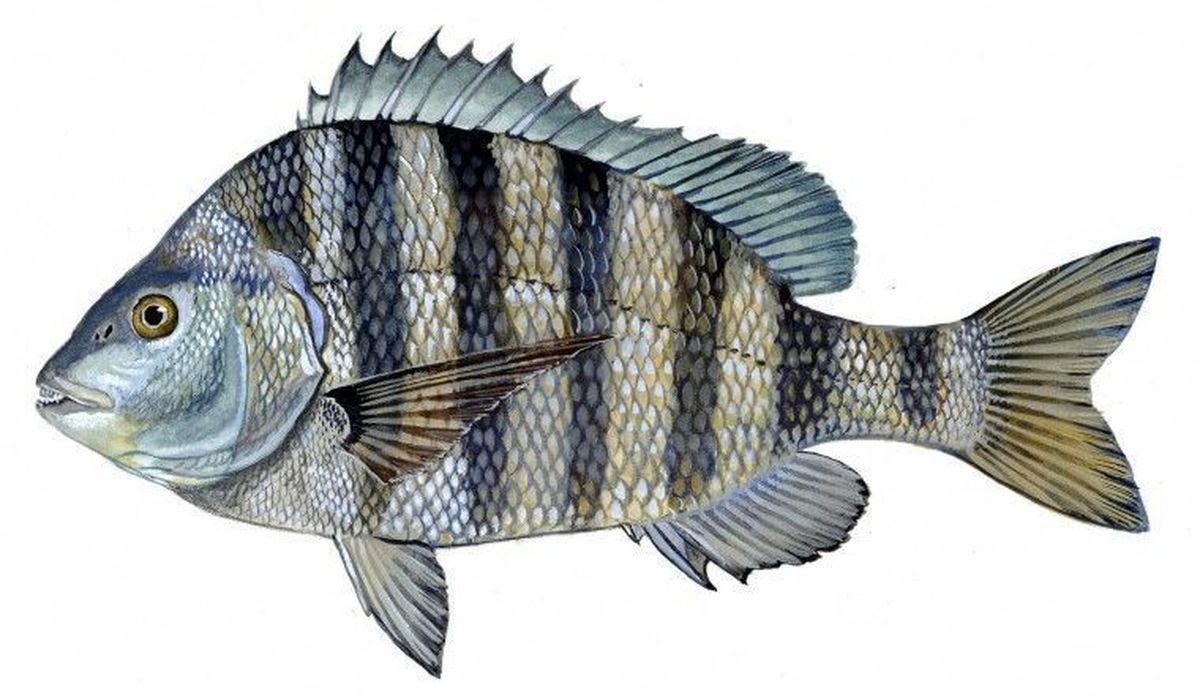
Sheepshead Overview
The Sheepshead (Archosargus Probatocephalus) belongs to the family Sparidae and order Perciformes, making it a distinguished member of the sea bream family found along the Atlantic coast and Gulf of Mexico. This beautifully compressed grey fish is instantly recognizable by its five to seven dark vertical bars running along its sides, a pattern that earned it the colorful nickname 'convict fish.' But what really sets the Sheepshead apart—and often gets a laugh from first-time anglers—are its strikingly human-like teeth, complete with molars perfect for crushing shells and barnacles. These teeth have made Sheepshead a legend in fishing communities from Florida to Nova Scotia, and they're a key reason why landing one is such a memorable experience. Interestingly, Sheepshead Bay in New York was named after these abundant fish, though pollution and development have since caused their populations there to decline dramatically.
Sheepshead Habitat and Distribution
Sheepshead thrive around any structure they can find—docks, bridges, petroleum rigs, jetties, and barnacle-covered pilings are their favorite hangouts. These fish are structure-lovers through and through; you'll rarely find them far from cover, though they'll occasionally venture closer to shore to hunt sand fleas and other crustaceans. The highest concentrations of Sheepshead are found along the entire east coast of the United States, with particularly robust populations from south Florida through the Gulf of Mexico. Northwest Florida sees exceptional numbers thanks to its abundance of artificial structures and pier pilings, making it a hotspot for anglers seeking these elusive fish. They've also been documented as far north as Nova Scotia during warmer months, though they're most abundant in warmer waters year-round.
Sheepshead Size and Weight
Typical Sheepshead range from 1 to 8 pounds and measure 14 to 20 inches in length, making them a rewarding catch for most anglers. However, if fortune smiles on you, these fish can grow considerably larger—trophy specimens have been documented at 20 pounds and 35 inches long. What's truly impressive about Sheepshead is their longevity; these fish can live up to 20 years in the wild, meaning that larger individual you hook could be a veteran of two decades of survival. This combination of size potential and lifespan makes the Sheepshead a respected quarry among serious anglers.
Sheepshead Diet and Behavior
Sheepshead are opportunistic feeders with a particular passion for hard-shelled prey. Their diet consists primarily of barnacles, small stone crabs, and fiddler crabs scraped from pilings and rocky structures, but they also consume shrimp, mollusks, minnows, clams, and squid when available. These fish are notorious bait stealers—they'll nibble delicately at your offering, working to loosen it from the hook with surprising finesse before committing to a full strike. This behavior can be maddening for inexperienced anglers but is part of what makes Sheepshead fishing so exciting and challenging. Once hooked, their powerful mouths and strong jaws require aggressive hook sets to ensure a solid connection. They're also pelagic, meaning they don't always stay at the bottom; they can be found hovering at various depths depending on food availability and water conditions.
Sheepshead Spawning and Seasonal Activity
Sheepshead exhibit fascinating spawning behavior, forming enormous aggregations of up to 10,000 fish that migrate to specific structures during breeding season. These fish move toward channel passes, offshore reefs, jetties, and oil platforms during their spawning period, which primarily occurs in early spring from February through April. Understanding this seasonal movement is crucial for anglers planning trophy hunts, as these spawning aggregations can concentrate fish in predictable locations during these months. Outside the spawning season, Sheepshead remain relatively localized around their preferred structures, making them year-round targets in warmer climates.
Sheepshead Techniques for Observation and Capture
Boat Fishing Method: If you're approaching Sheepshead from a boat, avoid dropping anchor if possible, as the disturbance will spook these wary fish. Instead, position your boat close to the structure—pilings, reefs, or wrecks—and cast your bait as near to the cover as you safely can. Use light tackle and allow your bait to hit bottom, then slowly bring it up in 1-foot increments to determine where the fish are suspended. This vertical exploration is essential since Sheepshead don't always feed on the bottom. Set your bait firmly on the hook to resist their notorious nibbling, and when you feel the weight of a fish working your bait, set the hook with aggression—their powerful jaws require a solid connection.
Shore-Based Method: Dock and seawall anglers can be equally successful by casting their bait as close to pilings as possible, just as boat anglers would. The same vertical jigging technique applies; let your bait work at different depths to locate where the fish are holding. If local regulations permit, consider scraping barnacles off the pilings with a rake to create a scent trail of meat pieces in the water—Sheepshead will zero in on this natural chum and come to you.
Bait and Jig Selection: Natural baits are always your best bet, with shrimp-tipped jigs being an excellent choice when live bait isn't available. The heavier weight of a jig helps keep your presentation near the structure and prevents the current from dragging it away. Around popular fishing destinations in Florida and the Gulf, guides often recommend fiddler crabs and stone crabs as premium options. Fresh shrimp, clams, and squid also work well. Timing your trip for early morning or late evening, when Sheepshead are most active, will significantly improve your odds.
Sheepshead Culinary and Nutritional Notes
Sheepshead is an excellent choice for the dinner table, offering delicate white flesh with a mild, slightly sweet flavor that appeals to most palates. The fish is rich in protein and omega-3 fatty acids, making it a nutritious addition to any diet, and it's notably low in mercury, so you can enjoy it without health concerns. A diet rich in Sheepshead can support heart health by helping to lower blood pressure and reduce the risk of heart disease, while also supporting brain function, boosting immunity, and aiding muscle growth and repair. Whether grilled, baked, or fried, Sheepshead makes an exceptional meal. However, be warned: their tough scales and strong fin spines make cleaning and filleting challenging, which is why some anglers pass them over in favor of easier-to-prepare species. If you're willing to put in the effort or have a skilled filleting knife, the reward is absolutely worth it.
Sheepshead Frequently Asked Questions
Q: What is the best bait for catching Sheepshead?
A: Natural baits are always superior to artificials. Fiddler crabs, stone crabs, fresh shrimp, clams, and squid are all excellent choices. If you prefer jigs, a shrimp-tipped jig works exceptionally well because the extra weight keeps your bait near the structure where Sheepshead feed. Always set your bait firmly on the hook—these fish are expert bait stealers and will nibble away at loose offerings.
Q: Where can I find Sheepshead near major fishing destinations?
A: Sheepshead are found throughout the east coast, with exceptional concentrations from south Florida through the Gulf of Mexico. Look for them around docks, piers, jetties, bridge pilings, offshore reefs, wrecks, and oil platforms. Northwest Florida is particularly productive thanks to its numerous artificial structures. Any barnacle-encrusted piling is a potential hot spot.
Q: Is Sheepshead good to eat?
A: Absolutely. Sheepshead offers delicate, mild white flesh that's excellent for grilling, baking, or frying. It's a healthy source of protein and omega-3 fatty acids, and it's low in mercury. The main challenge is cleaning and filleting due to their tough scales and strong spines, but the culinary reward justifies the effort.
Q: When is the best time to catch Sheepshead?
A: Early spring, February through April, is peak spawning season when massive aggregations gather around structures—this is prime time for trophy hunters. Outside spawning season, Sheepshead are year-round residents in warm waters. Fish early morning or late evening for best activity levels, and target deeper structures during the heat of the day.
Q: How should I set the hook when a Sheepshead bites?
A: Set the hook aggressively with a sharp upward jerk. Sheepshead have powerful mouths and jaws, and a timid hook set will often result in a lost fish. Once you feel the weight of the fish working your bait, don't hesitate—drive that hook home firmly.
Q: What size Sheepshead should I expect to catch?
A: Most Sheepshead caught by anglers range from 1 to 8 pounds and measure 14 to 20 inches. Trophy fish can exceed 20 pounds and reach 35 inches, though these are less common. The average is typically in the 2 to 5 pound range, making them a satisfying catch that's still manageable for most anglers.