%2Ffit-in%2F250x250%2Fguide_websites%2F31720%2Fimages%2F1784514287958topschartersbusinesscard1.jpg&w=1920&q=100)
Grey Snapper Caught in Crystal River FL
Grey Snapper Fishing in Crystal River - What to Expect
%2F%2Fusers%2F8dfd6847-ee3f-4123-8879-c0a9d570502f%2Fimages%2Fgrey-snapper-crystal-river-fishing-2669.jpeg&w=1920&q=75)
Fishing Charter by Captain Richard Delgado in July

- Crystal River Fishing Charters


Summary
Land explosive action on a fishing charter in Crystal River, FL where grey snapper are biting hard. Captain Richard Delgado of Tops Charters delivers the techniques and local knowledge to put fish on your line on this dynamic summer adventure.
Fishing Charter with Captain Richard Delgado - Rates & Booking
Captain Richard Delgado of Tops Charters delivered the action on Sunday, July 19, bringing clients directly into prime grey snapper territory in Crystal River, FL. This fishing charter targets aggressive species in shallow to mid-depth waters where conditions align perfectly for explosive strikes and hard-fighting catches. To reserve your spot on the water and experience this same intensity, contact Tops Charters directly for current rates and availability. Captain Delgado brings licensed expertise and intimate local knowledge of Crystal River's productive fishing grounds, ensuring every moment counts on the water.
Highlights of Your Fishing Charter
Grey snapper represent some of the most reliable and exciting catches available in Crystal River's ecosystem. These aggressive feeders strike fast and pull hard, delivering the kind of non-stop action that keeps anglers on edge. The July summer season brings prime conditions with stable water temperatures and abundant baitfish that trigger consistent feeding windows throughout the day.
Captain Delgado's approach combines proven techniques with real-time adjustments based on tidal movement and light conditions. Anglers working Crystal River's structure experience quick hook-ups and battles that test both skill and equipment. Whether you're a seasoned angler or stepping onto a charter boat for the first time, the setup delivers results and unforgettable moments on the water.
Local Species Insights: Grey Snapper
Grey snapper thrive in Florida's coastal waters, particularly in areas like Crystal River where structure, depth transitions, and baitfish converge. These fish are aggressive hunters that respond to live bait presentations and work shallow reefs, drop-offs, and grass flats with equal enthusiasm. Grey snapper typically school in loose groups, meaning multiple fish opportunities exist when you locate one hungry specimen.
The species displays strong predatory instincts and powerful build that makes every catch feel earned. They inhabit waters ranging from 15 to 60 feet deep, though they frequently hunt in shallower zones during tidal activity. Crystal River's configuration creates ideal conditions where these fish concentrate around natural structure and seasonal forage movements. The aggressive nature of grey snapper means quick strikes, solid hook sets, and exciting aerial displays when they fight back. Targeting them requires attention to tide timing, bait selection, and boat positioning - elements Captain Delgado manages with precision to maximize your success rate and fishing excitement throughout the charter duration.
Fishing in Crystal River: Grey Snapper
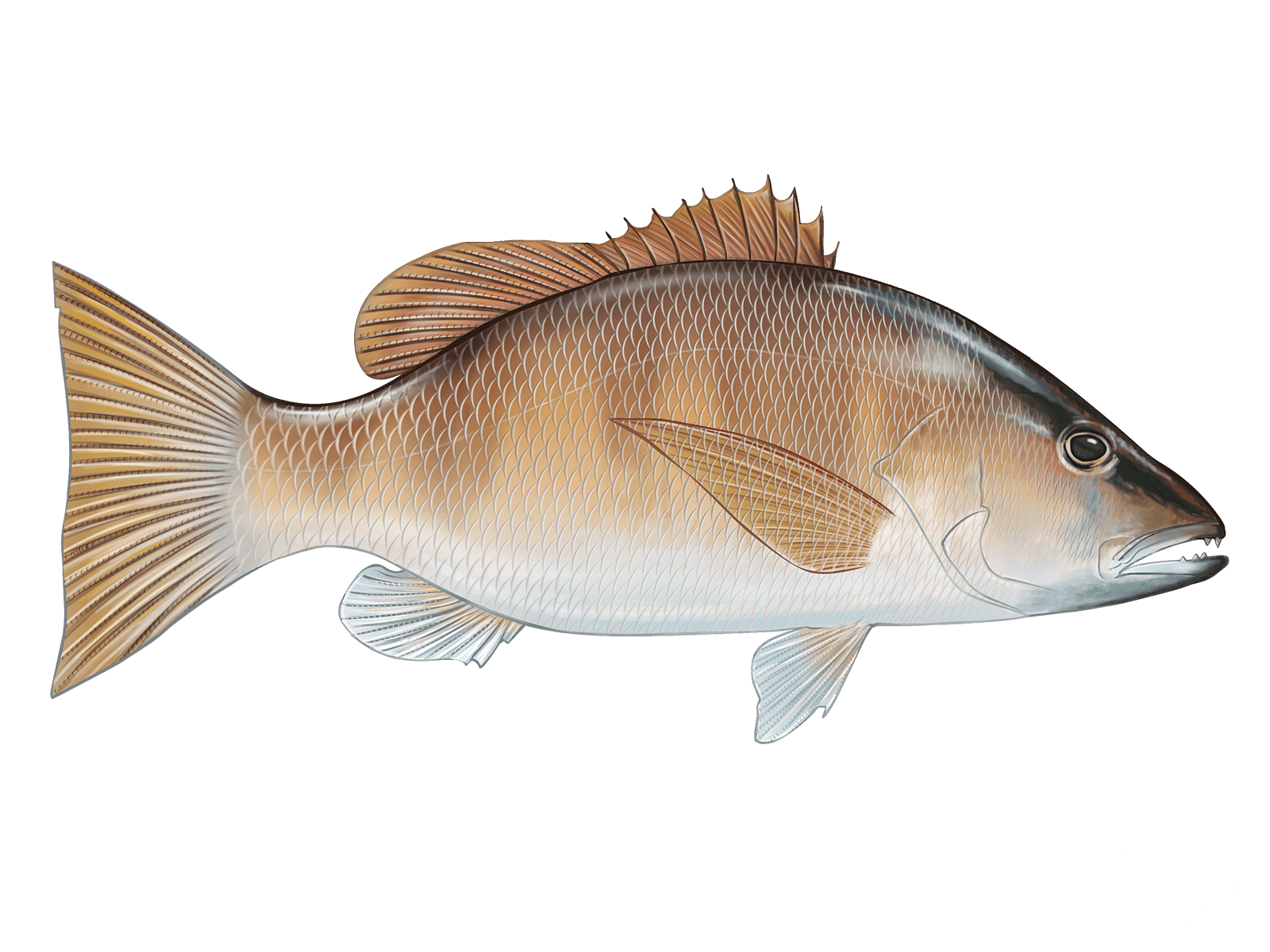
Grey Snapper Overview
The Grey Snapper, scientifically known as Lutjanus Griseus and commonly called the Mangrove Snapper, is a member of the Lutjanidae family within the order Perciformes. This remarkable fish is instantly recognizable by its striking greyish-red coloration that transitions from copper-red to brilliant red, along with a distinctive dark stripe running across its eye. With a pointed snout, thin lips, and small teeth, the Grey Snapper is one of the most abundant snapper species and a favorite among anglers and seafood enthusiasts alike. Found throughout warm to temperate waters from coastal reefs to mangrove-lined backcountry, this swift, nocturnal hunter is native to regions where it thrives as an opportunistic predator, making it a fascinating subject for both observation and fishing experiences.
Grey Snapper Habitat and Distribution
Grey Snappers are creatures of structure and cover, preferring environments rich with natural and artificial obstacles. They inhabit canals, grass flats, mangrove forests, rocky outcrops, shipwrecks, and debris fields in warm to temperate waters. These fish are distributed across onshore and nearshore reef systems, backcountry flats, rivers, and lakes where water conditions remain stable and prey is abundant. The species thrives in areas with strong water columns and complex bottom structures that provide ideal ambush points for their opportunistic hunting style. Whether you're exploring shallow backcountry regions or deeper reef systems, Grey Snappers are likely to be present in any location offering adequate cover and consistent food sources.
Grey Snapper Size and Weight
While Grey Snappers typically measure between 10 to 14 inches and weigh 1 to 2 pounds when found inshore, they can achieve significantly larger proportions in open water environments. Specimens caught offshore commonly reach weights of 20 pounds, though inshore fishing typically yields catches of 3 to 4 pounds. The size range for notable catches generally falls between 30 to 35 inches in length, with weights reaching up to 8 pounds in productive fishing waters. Juvenile Grey Snappers tend to display darker coloration than their adult counterparts, making them visually distinct at different life stages.
Grey Snapper Diet and Behavior
As opportunistic carnivores, Grey Snappers display flexible feeding habits and are most active during nighttime hours. Young specimens congregate near seagrass beds where they feast on a variety of crustaceans and smaller fish, while juveniles and adults alike will consume zooplankton when available. Their diet becomes increasingly piscine as they mature, focusing primarily on small fish and crustaceans. These swift swimmers are not aggressive toward humans but are highly effective ambush predators, using their speed and structural cover to seize feeding opportunities. The nocturnal nature of Grey Snappers means they feed and move most actively after sunset, making them particularly responsive to nighttime fishing efforts.
Grey Snapper Spawning and Seasonal Activity
Grey Snappers display remarkable reproductive behavior, spawning millions of eggs during full moon periods. This synchronized spawning pattern contributes to their status as the most abundant species within their genus, ensuring healthy population numbers across their range. The lunar-driven spawning cycle means that fishing success can vary depending on moon phases, with some anglers noting increased activity and feeding before and after major spawning events. Understanding these seasonal patterns can significantly enhance your chances of successful encounters with this prolific species.
Grey Snapper Techniques for Observation and Capture
Live Bait Method (Primary Technique): The most effective approach for catching Grey Snappers involves using live bait, particularly live shrimp or mud minnows. Thread your line through a bobber and tie it to a 4J hook, ensuring your line can withstand abrasion. Insert the hook through the tail of your shrimp rather than the head to maximize bait longevity. Allow your bait to sink to the bottom, then reel up slightly to prevent snagging. Position yourself at beach piers, docks, or near water column structures where Grey Snappers congregate. Since these fish are opportunistic hunters, avoid excessive bobbing or movement that might deter them. Wait patiently for a tug, then reel steadily to set the hook before slowly bringing your catch to the surface.
Structural Fishing (Secondary Technique): Target mangrove forests, rocky reefs, shipwrecks, and debris fields during both day and night. In open water, allow your bait to sink deep into reef systems to draw out larger specimens. The complex structure provides the cover these ambush predators prefer. Cast near pilings, undercut banks, and fallen trees in river and lake environments.
Timing and Location Insight: Around popular fishing destinations in coastal Florida and throughout the Gulf region, evening and night fishing during full moon periods often produces exceptional results. Early morning hours before sunrise also yield productive catches as nocturnal feeders transition back to deeper resting areas.
Grey Snapper Culinary and Utilization Notes
The Grey Snapper has earned a stellar reputation among seafood enthusiasts for its exceptional table qualities. The meat is prized for being white, flaky, and tender with a mild, delicate flavor that appeals to diverse palates. Rich in high-quality protein and omega-3 fatty acids, this snapper provides excellent nutritional value. The species' culinary popularity combined with its abundance makes it both a sustainable and delicious choice for coastal dining. Whether grilled whole, filleted and pan-seared, or prepared in traditional fish stews, the Grey Snapper delivers consistent culinary satisfaction.
Grey Snapper Frequently Asked Questions
Q: What is the best bait for catching Grey Snappers?
A: Live shrimp rigged through the tail and live mud minnows are the top choices recommended by experienced anglers. The key is keeping your bait alive and naturally presented near the bottom where these opportunistic hunters patrol.
Q: Where can I find Grey Snappers in coastal waters?
A: Look for them around mangrove forests, grass flats, rocky reefs, pilings, docks, and shipwrecks. In backcountry environments, structure is your best indicator of Grey Snapper presence. Around Florida's Gulf Coast and throughout southern coastal regions, these habitats consistently hold productive populations.
Q: Is the Grey Snapper good to eat?
A: Absolutely. The Grey Snapper is highly regarded for its white, flaky, tender meat with a mild flavor. It's an excellent eating fish with good nutritional value, making it a favorite among both recreational and commercial fishermen.
Q: When is the best time to catch Grey Snappers?
A: While Grey Snappers are active throughout the year, they are primarily nocturnal feeders, making evening, night, and early morning hours most productive. Full moon periods trigger spawning and often increase feeding activity, making them excellent target dates for fishing trips.
Q: How do I distinguish a Grey Snapper from a Cubera Snapper?
A: Open the fish's mouth and examine the tooth patch. Grey Snappers have a triangular-shaped tooth patch without extensions, while Cubera Snappers display an arrow-shaped patch with extensions. This distinctive difference is the most reliable identification method.
Q: What makes Grey Snappers different from other snapper species?
A: Beyond their unique tooth structure, Grey Snappers are distinguished by their greyish-red coloration, dark eye stripe, pointed snout, and thin lips. They're also more abundant than most other snapper species and prefer shallower, structure-rich environments like mangrove forests and grass flats.